If you’ve been pricing out a Kenya safari, you’ve probably seen the same vague line everywhere: “prices drop significantly in low season.” Nobody tells you what that actually means in dollars. This guide breaks down real low season Kenya safari discounts, camp by camp, plus where the savings are genuine and where they’re overstated. We book camps and vehicles for travelers year round, so we can give you the real numbers instead of guesses.
Here’s what low season actually costs, which parks stay easy to reach when the rains come, and where the savings are real versus where they’re overstated.
When Kenya’s Low Season Actually Falls
Kenya has two low season windows. The long rains run from mid-March through May, with April and May the wettest months. The short rains fall from late October through early December, usually lightest in the first half of November and heaviest closer to December.
Most camps treat April, May, June, and mid-November through early December as low or “green” season. June is often the best value month of the year. The rains have mostly passed, the grass is green, and camps haven’t raised rates back to peak levels yet.
July through October is peak season, driven by the wildebeest migration crossing into the Masai Mara. Late December through early March is a second peak, driven by Christmas travel and calving season in Amboseli and the Mara.
Why Prices Drop When the Rains Come
It comes down to occupancy. Camps in the Mara and Amboseli can sit at 20 to 30 percent occupancy in May, compared to 80 to 95 percent in August. Empty rooms don’t earn anything, so lodges cut rates to fill beds rather than leave them empty.
Rain also affects logistics. Some lodges close roads or airstrips temporarily after heavy downpours, which discourages fly-in guests. Ground transport still works for most routes, which is actually good news if you’re traveling by road anyway.
Low Season Kenya Safari Discounts, Camp by Camp
These are indicative rack rates per person per night, sharing a double room, based on typical published pricing. Always confirm current rates before booking, since camps adjust prices yearly.
| Camp or Lodge | Park/Reserve | Peak Season Rate | Low Season Rate | Approx. Discount |
|---|---|---|---|---|
| Mara Serena Safari Lodge | Masai Mara | $320 | $190 | ~41% |
| Kicheche Bush Camp | Masai Mara | $650 | $420 | ~35% |
| Amboseli Sopa Lodge | Amboseli | $210 | $130 | ~38% |
| Ashnil Aruba Lodge | Tsavo East | $180 | $110 | ~39% |
| Samburu Sopa Lodge | Samburu | $190 | $115 | ~39% |
Park entry fees don’t drop the same way. Masai Mara National Reserve charges non-residents roughly $70 per adult per day, set by Narok County, and that fee stays fixed year round. Amboseli and Tsavo fees, set by Kenya Wildlife Service, sit around $60 and $52 respectively and also don’t change by season. Your savings come from accommodation and vehicle hire, not park gates.
Which Parks Give You the Best Low Season Value
The Masai Mara takes the biggest rain hit. Its black cotton soil turns to thick mud, and some interior tracks become genuinely hard to drive after a heavy storm. That said, the discounts here are also the deepest, and the crowds vanish. If you want shooting the Mara during the quiet off-peak months, May and June give you empty vantage points and dramatic cloud skies that peak season never offers.
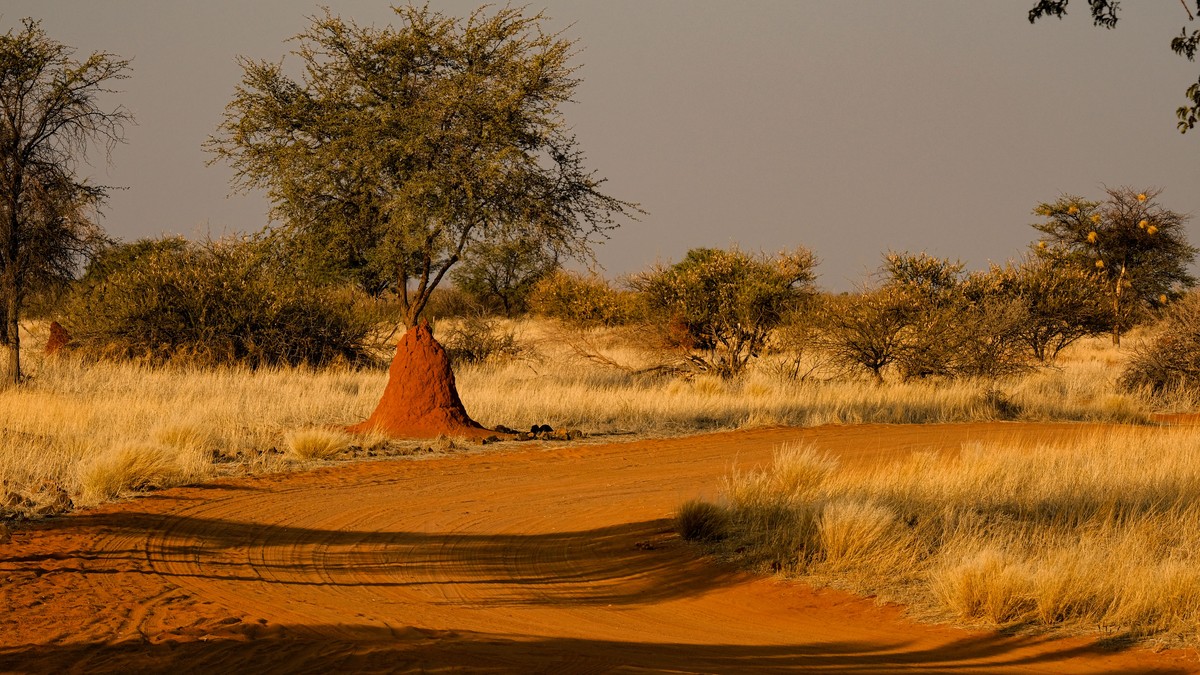
Tsavo East and Tsavo West sit on sandier, better-draining soil and stay passable through most rain events. Samburu, north of the equator and drier overall, barely notices the long rains. If you’re worried about getting stuck, these three parks are your safest low season bets while still offering 35 to 40 percent savings.
Amboseli sits between the two extremes. Its swampy areas can get soft, but the main circuits near Mount Kilimanjaro usually stay open.
How Far Ahead to Book for the Best Rate
Low season rates are published early, often a year ahead, but they don’t move much closer to travel dates the way peak season prices sometimes spike. Booking three to four months ahead is usually enough to get the published low season rate.
The real advantage of booking early isn’t a better price. It’s better camp and vehicle availability, since some smaller camps close entirely for maintenance in April and May, and you want your pick of what’s still open.
Money-Saving Moves for Budget Travelers
Group joining safaris cut costs the most. Instead of hiring a private vehicle and driver, you join a scheduled departure with other travelers and split the vehicle cost. In low season, operators still run these trips, but with fewer people per vehicle, which can mean more room and a better view for the same price. If this route interests you, joining a budget group safari is worth reading before you commit to a private itinerary.
Camping inside or near the parks costs a fraction of lodge rates. Public campsites run by Kenya Wildlife Service charge non-residents around $25 to $30 per night, and community-run campsites near park gates can be cheaper still. Bring your own tent or rent one through your operator.
Public transport gets you close to the gates for little money. Matatus and shared shuttles run from Nairobi to Narok, the main town before the Mara, for roughly 500 to 800 KES. From there, most travelers arrange a pickup or join a shuttle heading to Sekenani Gate. Similar shared van routes connect Nairobi to Emali for Amboseli.
Before you book anything, it’s worth comparing operator prices, since the same camp can be quoted at very different markups depending on who’s booking it for you.
Is Green Season Worth the Trade-off?
Rain means real trade-offs. Game drives sometimes start later if a track needs to dry out first. Some smaller camps close entirely, usually in April and sometimes into early May, for renovation. Mosquito numbers rise with standing water, so anti-malarial precautions matter more than in the dry months.
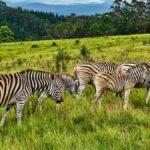
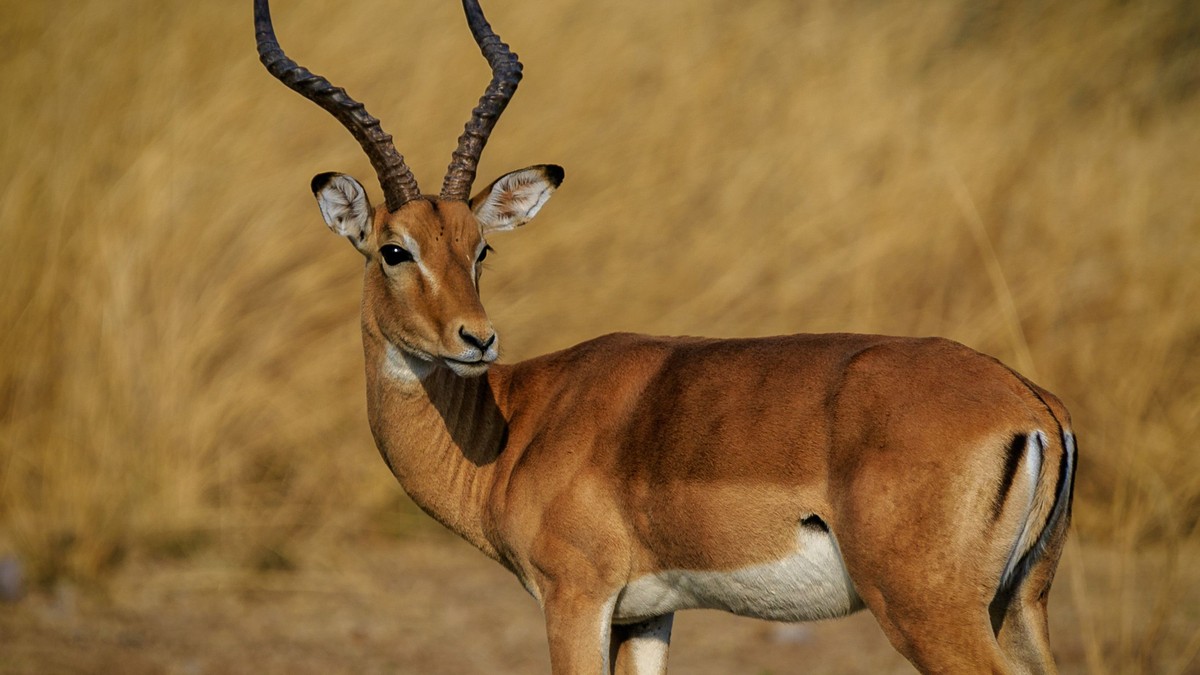
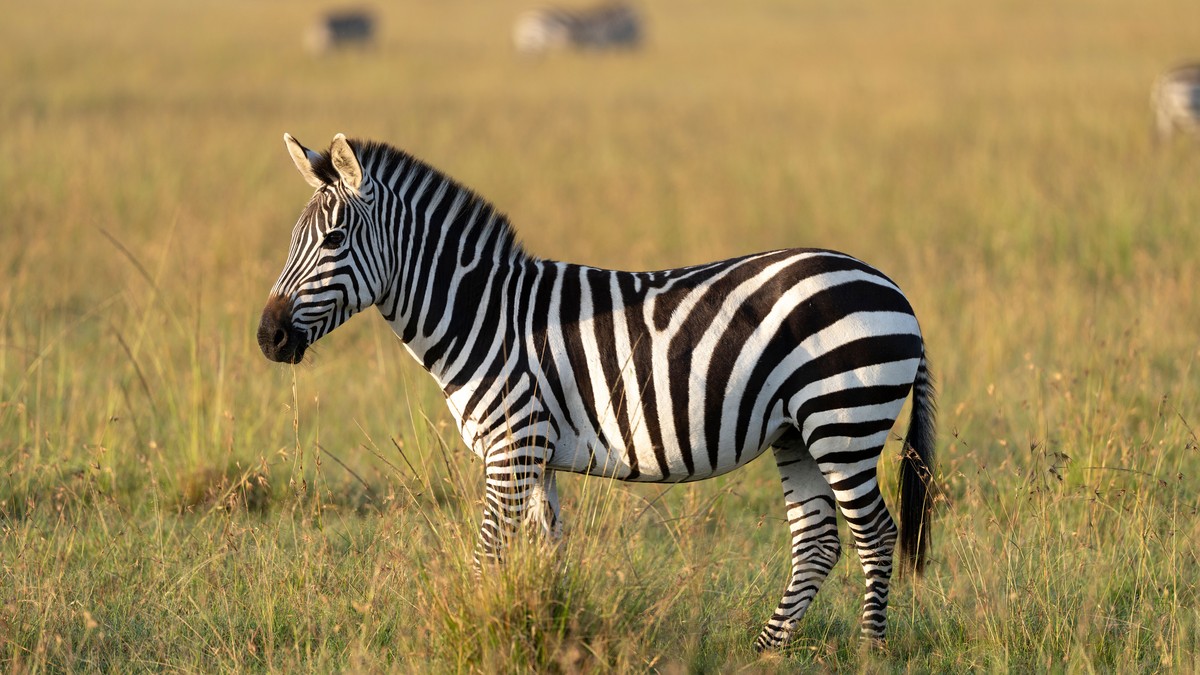
Against that, you get newborn wildebeest, zebra, and antelope in the Mara and Amboseli during the short rains, dramatic skies for photography, and rates that let budget travelers afford camps that would otherwise be out of reach. The Big Five are all still visible in green season. Lions, elephants, buffalo, leopards, and rhino don’t migrate with the rain, they just stand in greener grass.
The Valley Safaris Difference
We don’t push one season over another because a booking is a booking. What we do differently is tell you honestly which camps close, which roads get difficult, and which parks stay reliable, before you pay a deposit.
We book directly with camps we’ve stayed at ourselves, which means we know if a low season rate quote includes park fees or not, and whether a specific camp’s April closure affects your dates. For group joining safaris, we keep vehicles small even in low season, because a good sighting matters more with four people in a Land Cruiser than eight.
We also price in KES and USD side by side, since currency swings can eat into a discount if you’re not paying attention.
Plan Your Low Season Safari
Low season isn’t a compromise. It’s a genuine way to see Kenya’s parks for less, with fewer vehicles at every sighting. If you want help matching your dates to the camps and parks least affected by the rains, reach out through our contact page and we’ll put together options that fit your budget and your travel window.